Visalia Roof Pros: Roof Replacement, Leak Repair & Tile
Expert residential and commercial roofing services. Free inspections with photographs and a written report, anywhere in Tulare County.
Licensed, insured and bonded California C-39 roofing contractor·Free roof inspections with dated photographs and a written report·Underlayment weight and valley metal gauge named on every proposal·Se habla español
Visalia Roof Pros is a licensed, insured roofing contractor working Visalia and the surrounding valley on roof replacement, roof leak repair, concrete tile lift-and-relay, standing seam metal, low-slope TPO membrane and gutters. We specify high-temperature-rated laminated shingles, synthetic underlayment on plastic cap nails and new valley metal on every reroof. Residential and commercial work, from a single split plumbing boot to a packing house membrane.
Two things end roofs here, and neither of them is a storm. Fine agricultural dust packs into valleys, gutter outlets and the upslope side of every chimney until water has nowhere to go, and six months of hard sun a year drives the volatiles out of asphalt and chalks the coatings people apply to fix it. Both are slow, which is why the damage only announces itself in November.
So we quote drainage and flashing before we quote material, and we say when a repair is the better buy. Every inspection comes with dated photographs, a written finding and a plain answer on remaining life. Free inspections across Visalia, Tulare, Hanford, Dinuba, Exeter and the foothill communities east of town.
Our Roofing Services in Visalia, CA
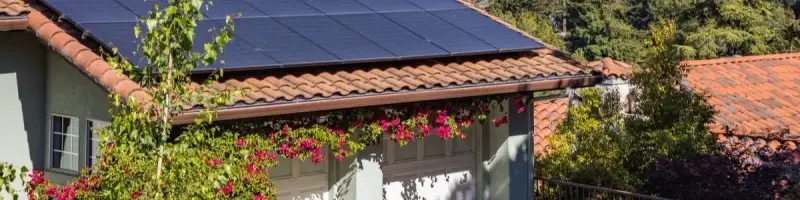
Roof Replacement
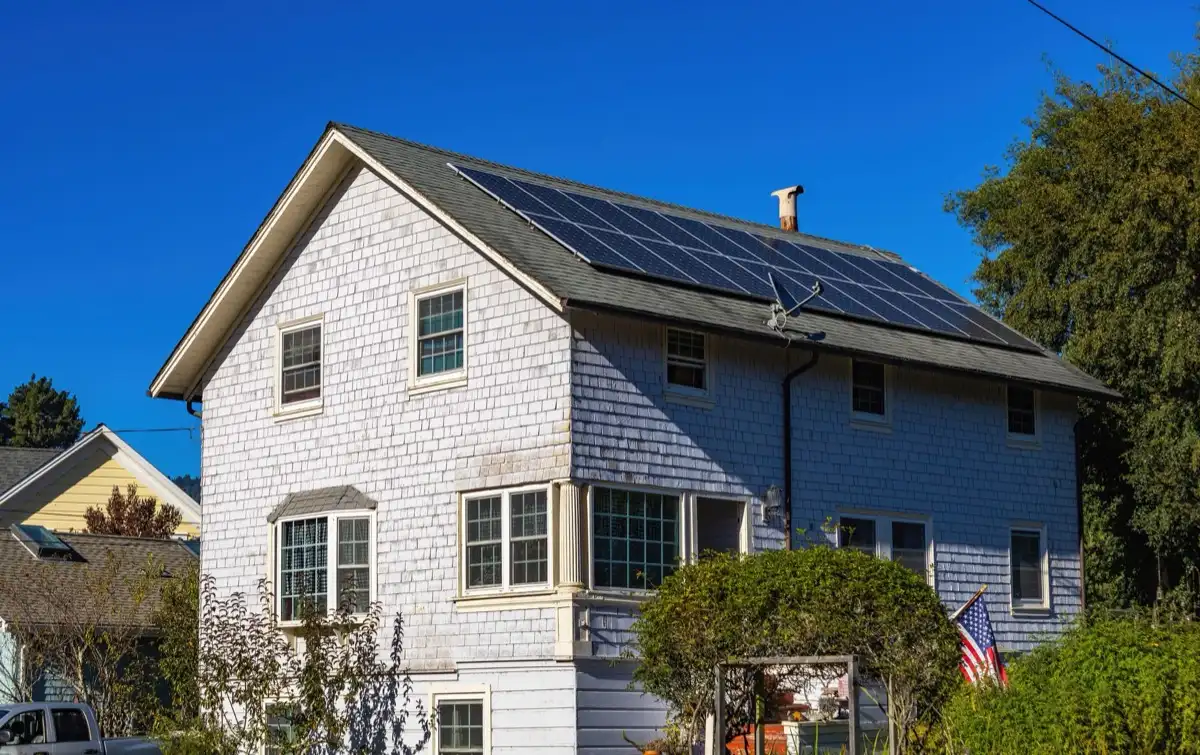
A Visalia roof usually dies of sunlight and dust rather than of storms. Granules abrade away, the mat goes brittle, and seal strips let go a few tabs at a time.
Roof Leak Repair
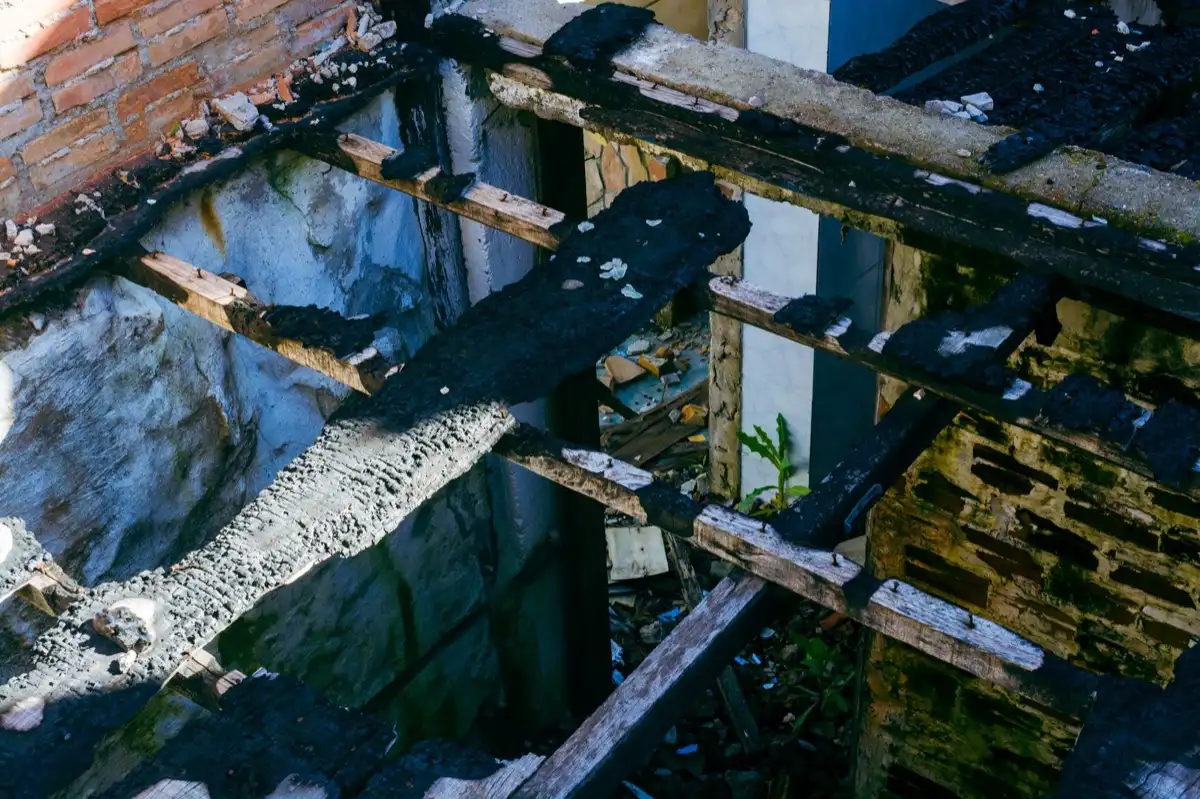
If there is water on your ceiling right now, put a bucket under it and punch a small hole at the lowest point of the bulge. That drains the pocket and saves the drywall.
Storm Damage Roof Restoration
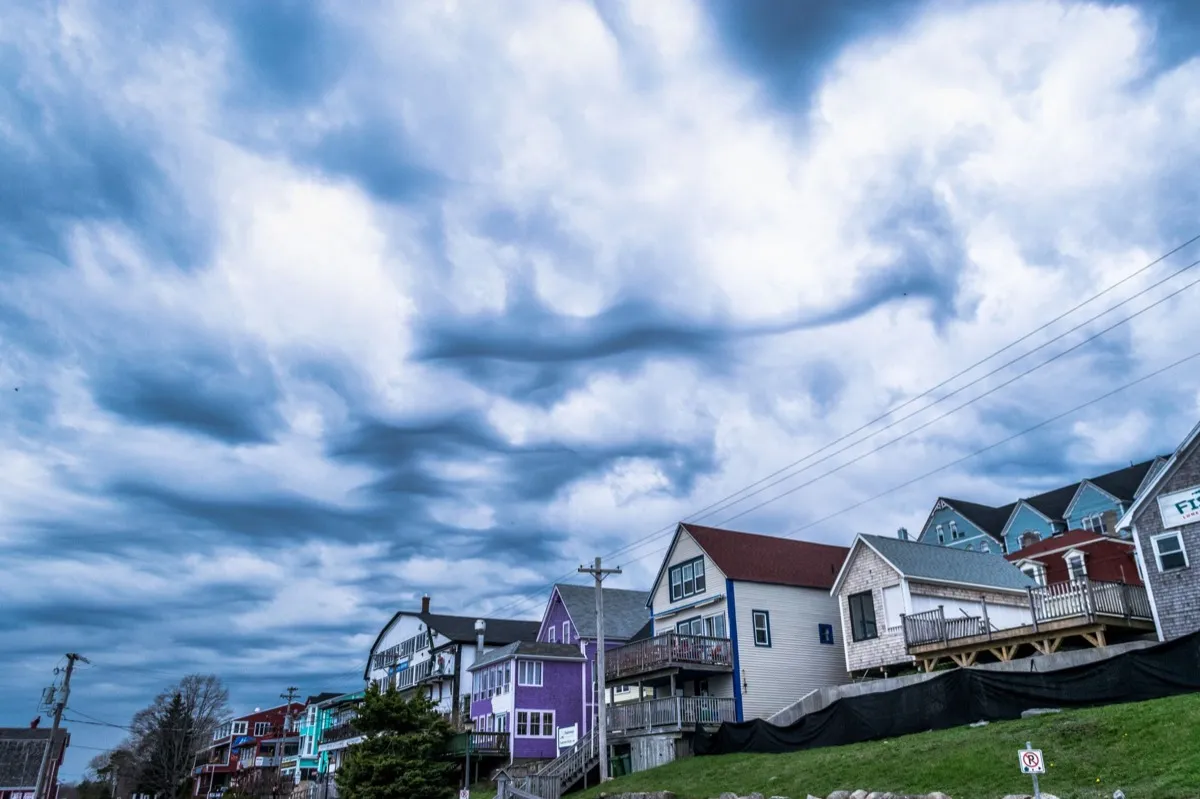
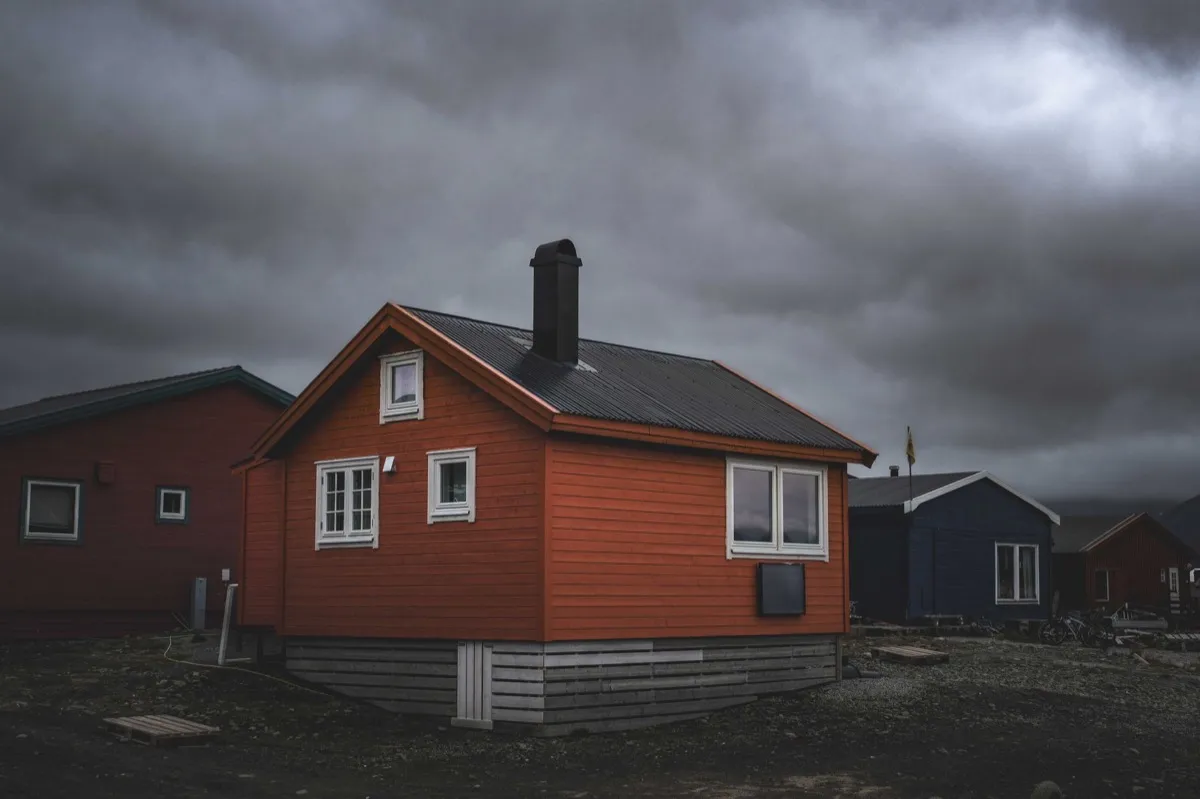
Valley storms arrive in a narrow window and hit hard. An atmospheric river parks over the Sierra front for two days, drops several inches on ground that has been dry since April, and drives it sideways with a thirty to forty mile an hour south wind.
Hail Damage Roof Repair
Hail is real in the southern San Joaquin Valley and it is also uncommon. A convective cell will drop small hail on part of Visalia every few years, and it is usually pea to marble size, ahead of a cold front in late winter or spring.
Wind Damage Roof Repair
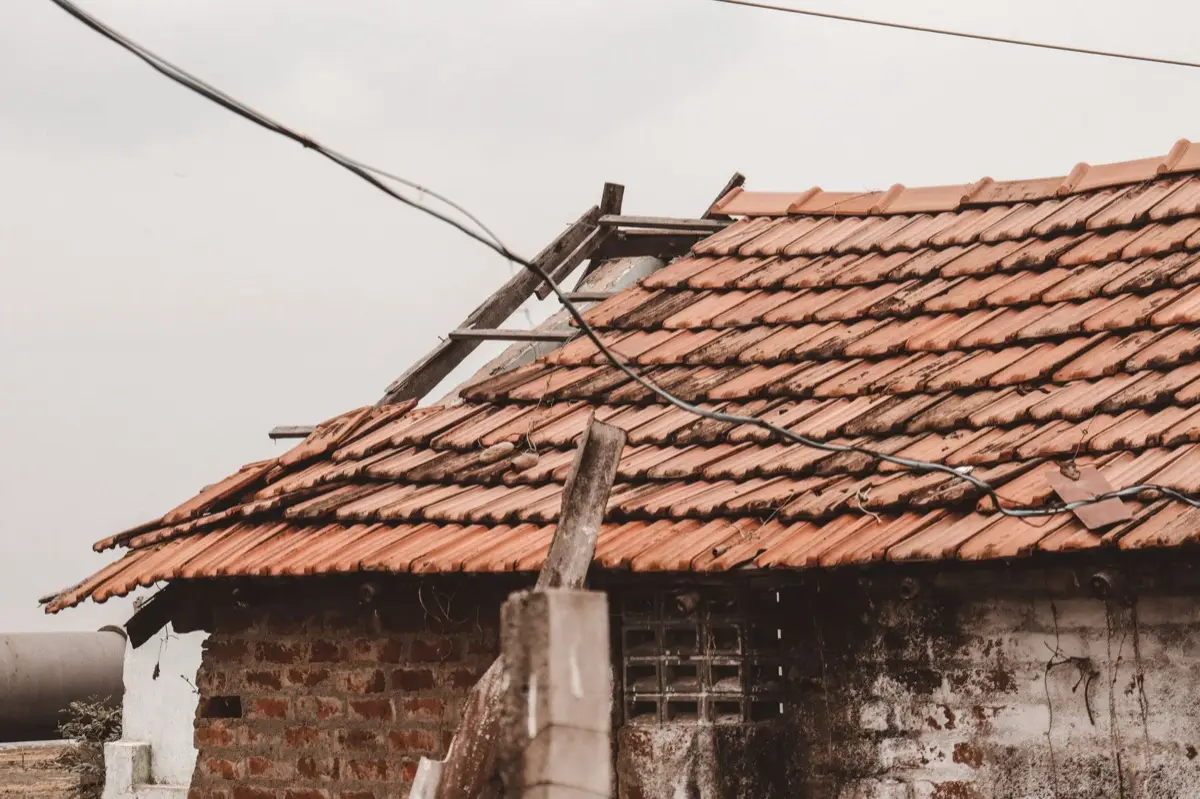
Wind does not need to be dramatic to take shingles off a Visalia roof. The gusts that strip tabs here are often thirty five to fifty miles an hour, well below the rating on the wrapper, and they do it because the seal strip gave up years earlier.
Roof Inspections
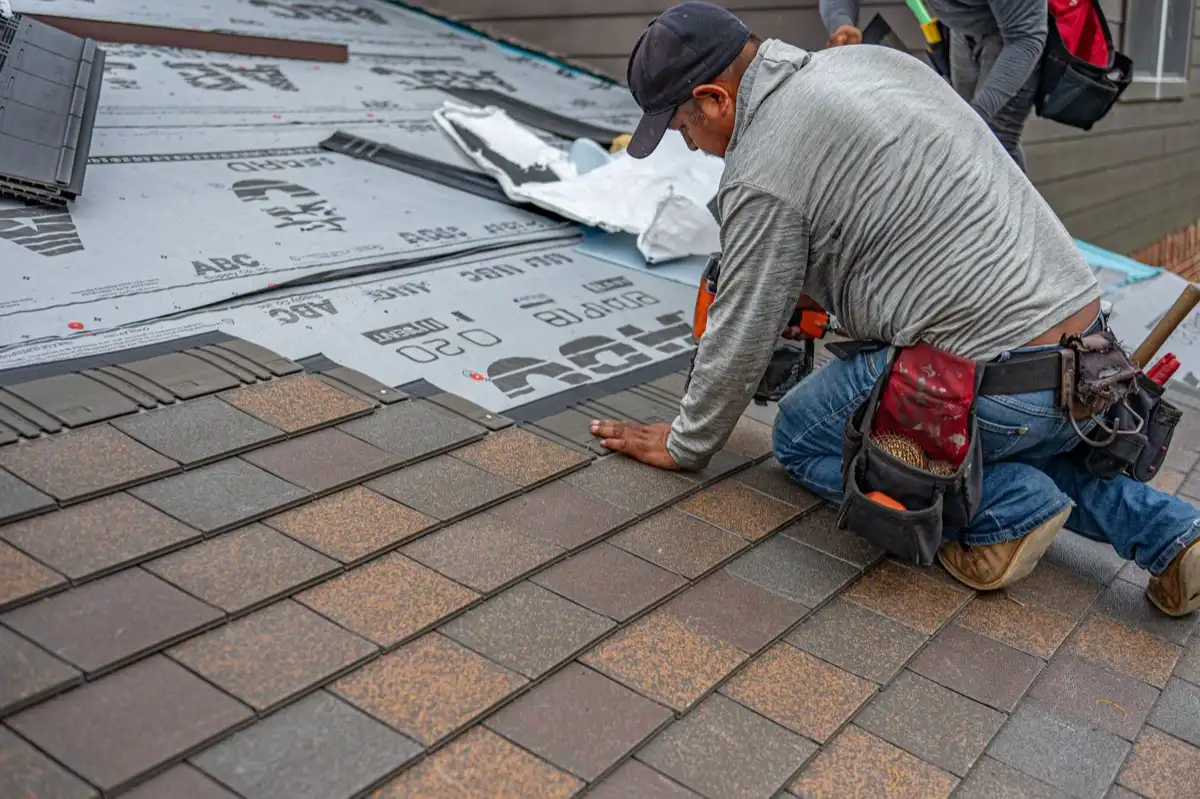
The best month to inspect a roof in Visalia is September. Everything that will block water is sitting on the roof in plain view, the material is still warm enough to handle without cracking, and there is time to fix what we find before the first rain.
Asphalt Shingle Roofing
Asphalt shingles cover most of Visalia, and they are still the right answer for most of it. What changes here is not the product category but the specification, because a valley roof gets more ultraviolet exposure and more abrasive dust than the national test data assumes.

Metal Roofing
Metal earns its price in a dust-loaded valley for a simple reason: there is nothing on the surface for grit to erode. A painted steel panel has no granule bed to lose, so the wear question becomes the coating and the fasteners rather than the material itself.
Tile Roofing
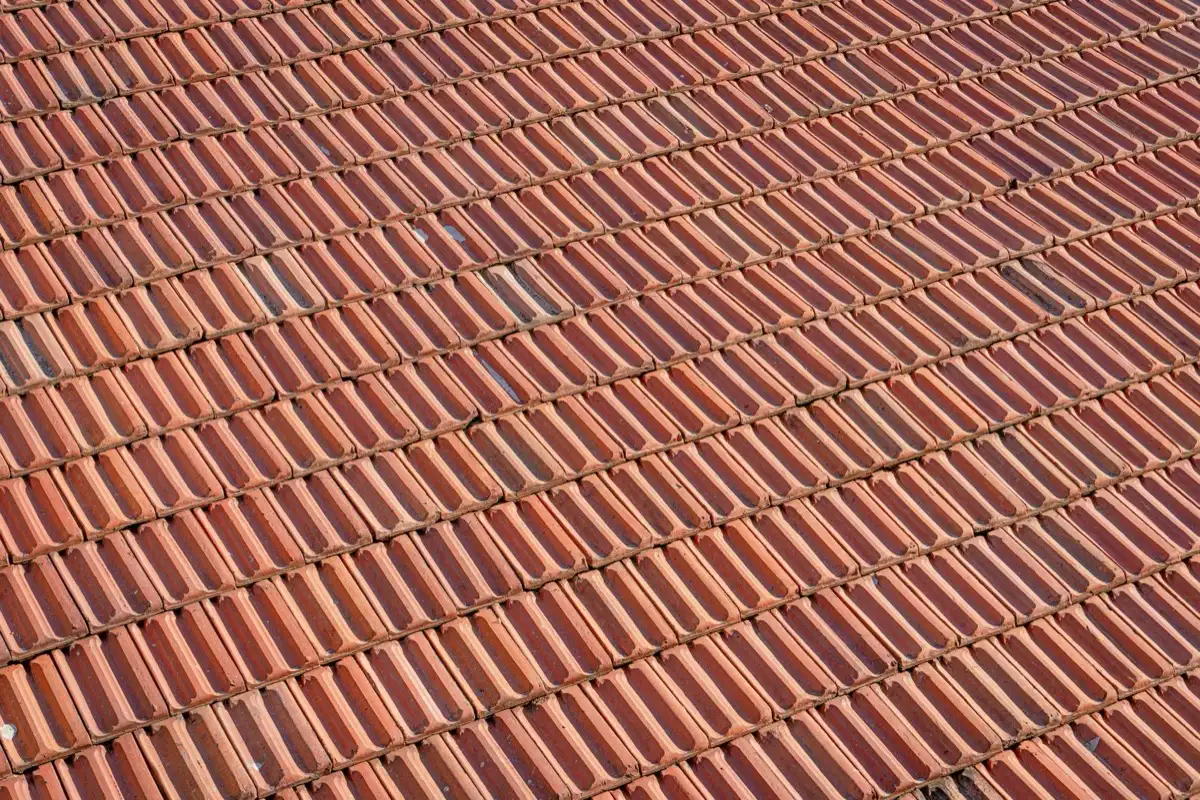
A great many Visalia houses built from the mid eighties onward carry concrete tile, and most of those roofs are now failing in a way homeowners do not expect. The tile is fine.

Flat & Low-Slope Roofing
Low-slope roofs are where valley dust does its clearest damage. On a pitched roof gravity eventually wins.
Roof Coatings & Sealing
This is the page where we talk most customers out of something. Coatings are a genuinely good product on the right substrate and a waste of money on the wrong one, and in Visalia they get sold constantly for the wrong one.
Roof Ventilation
Attic ventilation in a dust-loaded valley needs a different rule of thumb than the one most contractors carry around. More airflow is not automatically better here, because everything you pull into the attic arrives with fine particulate in it.
Skylights
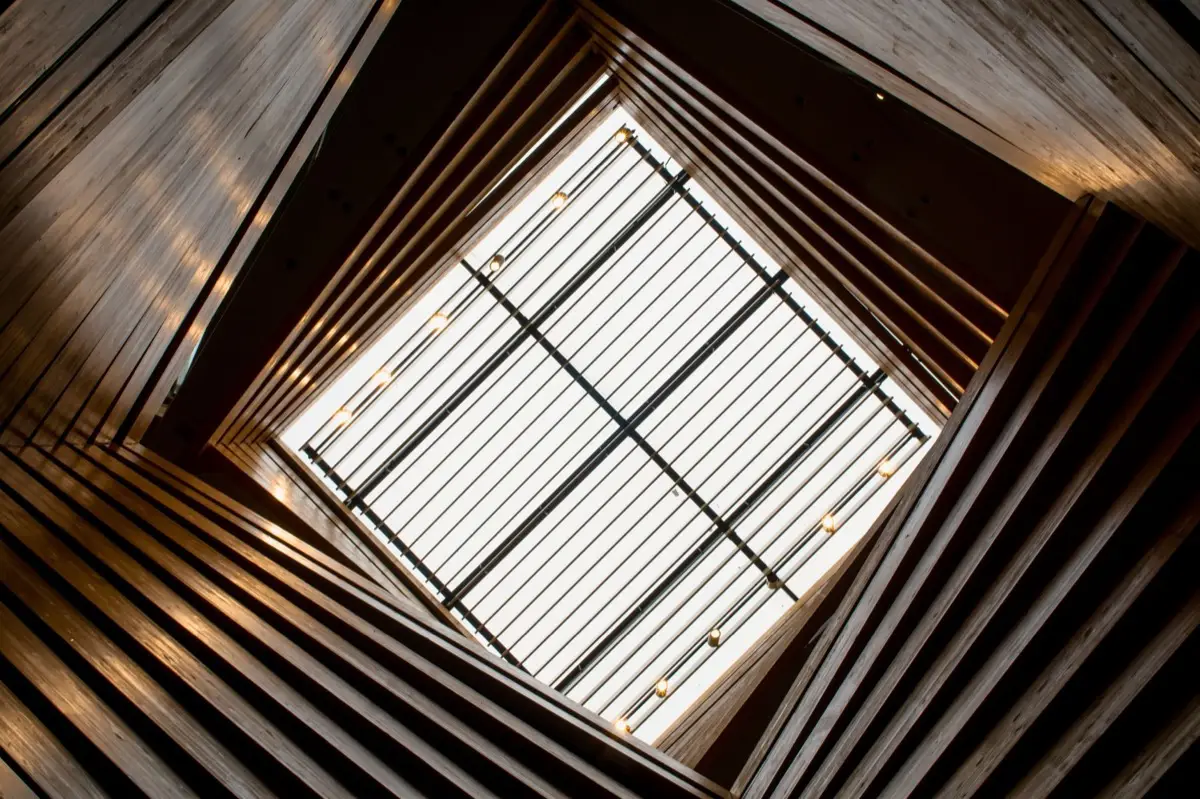
Skylights in the valley have two enemies and they work together. Fine dust films the glazing until a bright shaft turns gray, and unfiltered sunlight cooks the acrylic and the seals on the older domes that came with most tract houses here.
Gutters & Downspouts
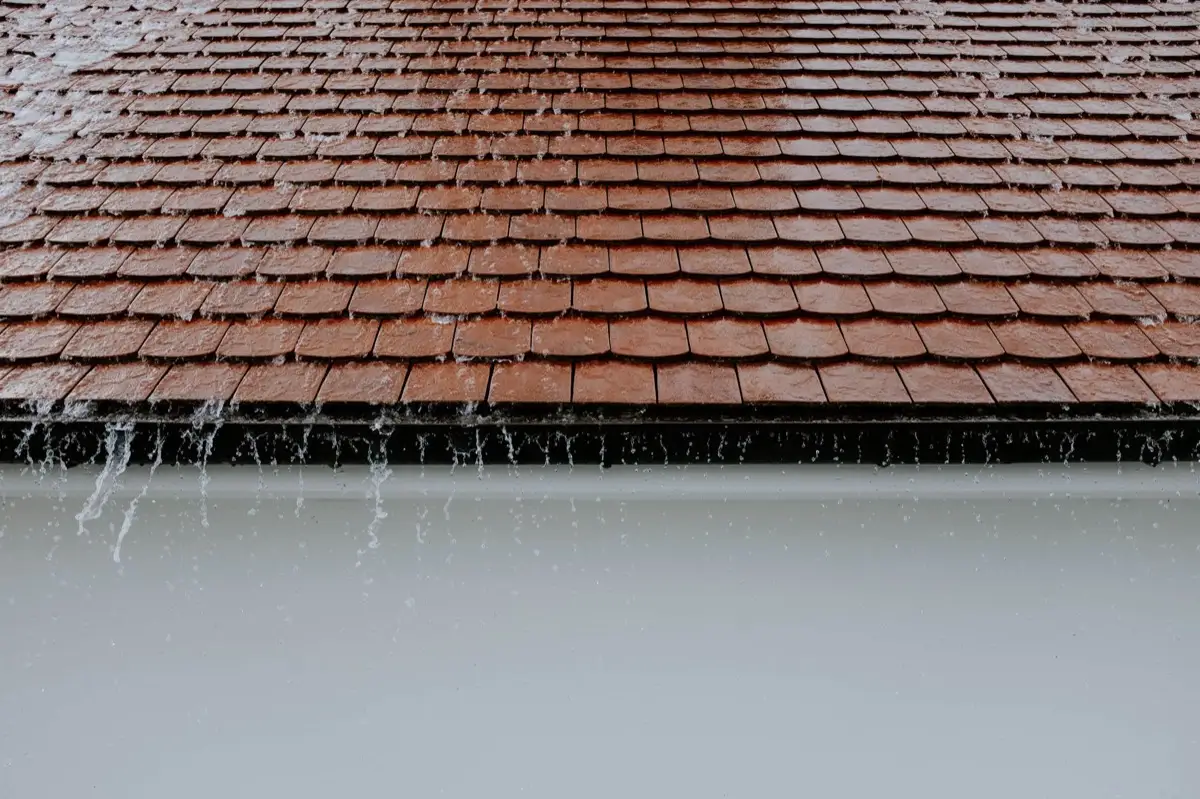
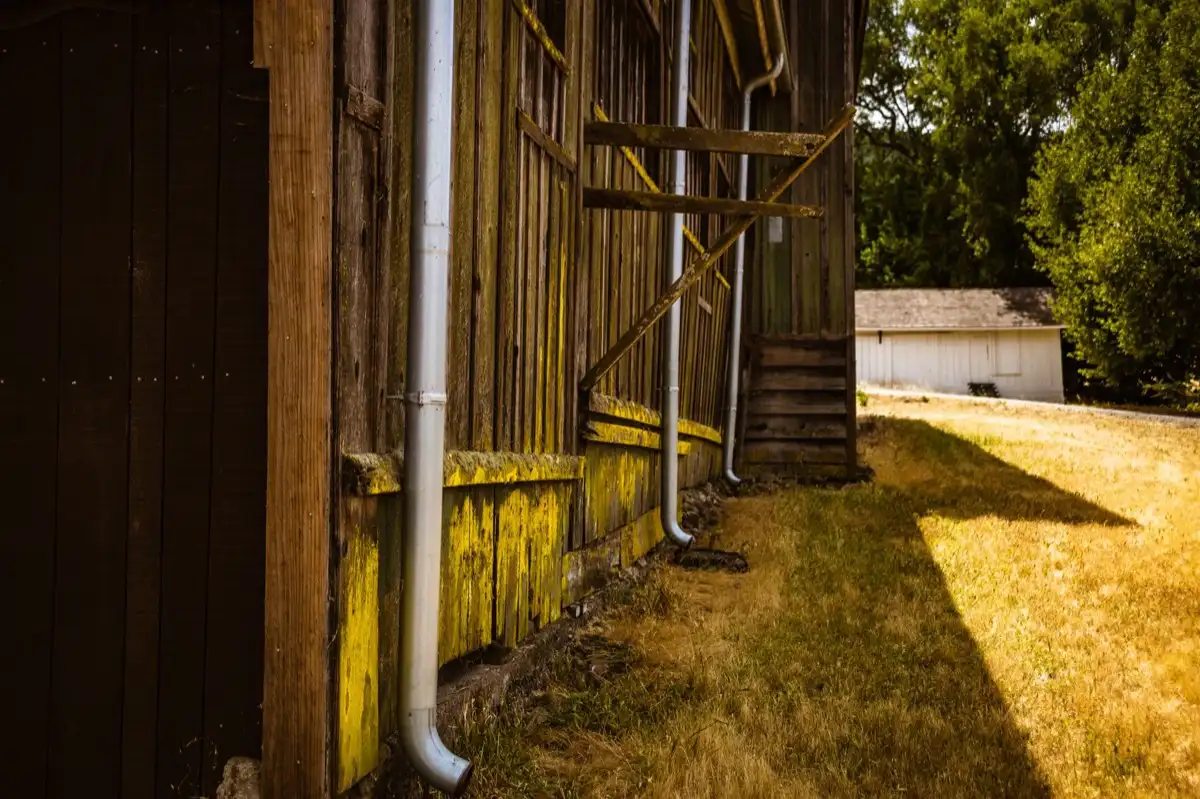
Gutters here clog from the bottom up, which surprises people who have lived somewhere leafy. The material filling a Visalia gutter is mostly fine grit, granule wash and agricultural dust that arrives as dry powder and sets into a dense sludge with the first rain.
Fascia & Soffit
Fascia and soffit are the parts of a roof that fail from the outside in. On the valley floor that means ultraviolet exposure on the paint film, then checking in the wood, then water finding those checks during the few weeks a year it rains hard.

Chimney Flashing
Chimneys leak more often than any other detail on a Visalia roof, and the reason is geometric rather than mysterious. A chimney is an obstruction in a water path, and the upslope face of it is where six months of accumulated dust and needles come to a stop.
Emergency Roof Tarping
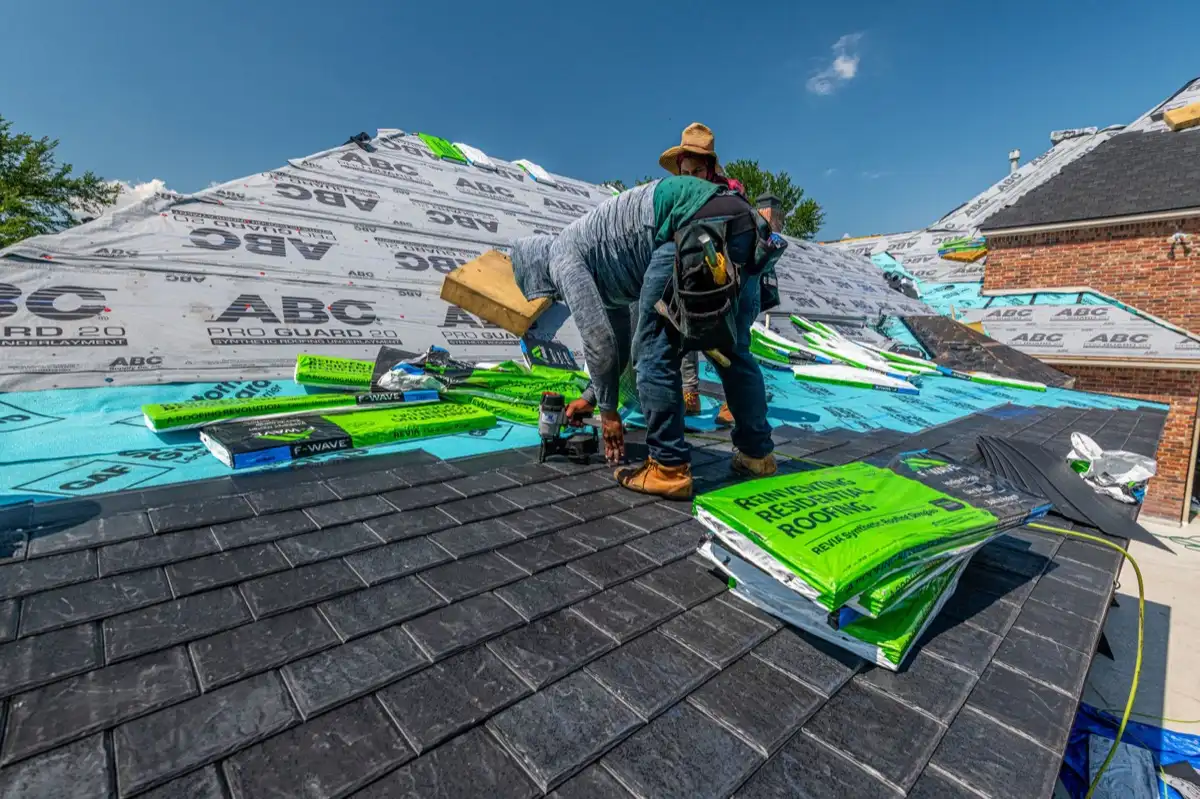
Emergency roof work in Visalia is concentrated into a handful of weeks. There is very little to do between May and October, and then a single atmospheric river opens up a dozen roofs in two days.

Commercial Roofing
Commercial roofs around Visalia are agricultural buildings whether or not the sign says so. Packing houses, cold storage, dairy structures, equipment shops, distribution buildings along the Highway 99 corridor and the light industrial park roofs behind them all share the same problems.
Insurance Claim Support
Most roof problems in Tulare County are not insurance claims, and saying so is the useful part. Sun, dust and thirty years of thermal cycling are wear, and wear is excluded from every homeowner policy in California.
Why Visalia Chooses Visalia Roof Pros
- ✓We tear off rather than overlay, because a second layer traps valley grit against the new mat.
- ✓Every inspection reports the silt depth in each valley with photographs, not a verbal summary.
- ✓We will tell you when a coating is the wrong purchase for your roof and lose the sale.
- ✓Field work is scheduled into dry, warm windows so self-seal strips actually bond.
- ✓Tile is priced as a lift-and-relay when the tile is sound and only the underlayment is finished.
- ✓We say no to insurance claims that are wear rather than damage, before you file them.
About Visalia Roof Pros in Visalia, CA
Visalia Roof Pros works the valley floor and the foothill communities east of it, on everything from a single split plumbing boot to a full concrete tile relay or a packing house membrane. We are licensed, insured and bonded in California, and we write proposals that name materials, gauges and fastener counts so you can compare two bids honestly.
The approach comes from what actually fails on roofs here. Almost nothing in Tulare County dies of weather events. Roofs die of ultraviolet exposure, of thermal cycling between forty and one hundred fifty degrees, and of six dry months of agricultural dust packing into every place water needs to move. So we audit drainage and flashing before we talk about shingle brands, and we clear silt as part of routine work rather than as an upsell.
There are jobs we will tell you not to give us. If your roof needs one slope rather than a replacement, we quote the slope. If you have been sold a coating for asphalt shingles, we will explain why it is the wrong purchase and lose the sale. And if what you have is thirty years of wear rather than storm damage, we will say so before you file an insurance claim that gets denied and stays on your record.
Service Areas
Visalia Roof Pros serves Visalia, CA and surrounding communities including:
How It Works
Inspection and drainage audit
We measure silt depth in every valley, check gutter outlets and downspout shoes, lift tabs to test seal bond, and pull field tile at valleys to see the underlayment. You get dated photographs and a written finding, not a verbal summary at the truck.
A written scope you can compare
The proposal names the shingle line or membrane, the underlayment weight, the valley metal gauge, the fastener count and what happens to the price if we open the deck and find rot. Two bids written that way can actually be compared.
Scheduled into a dry, warm window
Self-seal strips bond with heat, so we book field work into April through June or late September wherever the roof can wait. When it cannot, we hand-seal edges and courses ourselves rather than trusting the weather.
Photographed close-out and warranty
We photograph the deck before it is covered, the valley metal, the flashings and the finished planes. Those images come to you with the invoice, along with a written workmanship warranty on top of the manufacturer coverage.
Recent Projects Across the southern San Joaquin Valley

What Visalia Customers Say
They found the leak in a valley packed with dust instead of selling us a new roof. Cleared it, put in new valley metal, and sent photographs of the whole thing. Two winters later it is still dry.
Our concrete tile roof was leaking and two companies quoted a full replacement. These guys explained the lift and relay, did it in four days, and the price was less than half what we were braced for.
I asked about coating my shingles and was told plainly it was the wrong product for the roof. He quoted the flashing repair the roof actually needed instead. Rare to be talked out of spending money.
Called on a Sunday during the December storms with water coming through the ceiling. They dried it in that afternoon, came back in January for the real repair, and the bill matched the quote.
Commercial and agricultural roofing across Tulare and Kings County
Most commercial roofs in this part of the valley are working agricultural buildings: packing houses, cold storage, dairy structures, equipment shops and the distribution and light industrial roofs along the Highway 99 corridor.
They share a specific problem, which is a continuous airborne load that ends up in the drains, on the condenser coils and across the membrane surface, where a reflective sheet gray with dust stops being reflective.
We specify sixty and eighty mil TPO over high-density cover board with tapered insulation to move water to the drains, rework and coat aged metal on shops and barns rather than tearing off what is still sound, and build twice-yearly clearing into a maintenance agreement with a photographed condition report per building.
- ✓Sixty and eighty mil TPO over half-inch high-density cover board
- ✓Tapered polyisocyanurate to build slope and crickets between drains
- ✓Moisture scanning to map wet insulation before any recover
- ✓Silicone restoration coatings on sound aged metal and modified bitumen
- ✓Fastener and seam rework on agricultural and shop metal roofs
- ✓Walk pads, sleepers and proper curbs at rooftop equipment
- ✓Twice-yearly drain, scupper and gutter clearing agreements
- ✓Photographed condition reports and a five-year capital plan per building
Frequently Asked Questions
Why does my roof only leak on the first big rain of the season?
Because the leak was built over the summer. Between May and October a Visalia roof collects a heavy layer of fine agricultural and roadside dust, and that silt packs into valleys, behind chimneys and along skylight curbs.
When the first real storm arrives in November it does not run off, it backs up two or three inches against those dams, gets under an underlayment lap and travels sideways to the nearest nail hole. Clearing the drainage path in September prevents more valley leaks than any product we sell.
My tile roof is leaking but the tiles look fine. What is going on?
The tile is not the waterproof layer and never was, the underlayment beneath it is. On the concrete tile roofs that went on Visalia tract houses from the mid eighties onward, that underlayment is usually an organic felt that has spent thirty summers at deck temperatures above one hundred thirty degrees. It goes brittle and crumbles at the fastener holes.
The right repair is normally a lift and relay: the tile comes off in courses, new underlayment and valley metal go down, and the original tile goes back on.
A company offered to coat my shingle roof instead of replacing it. Is that worth doing?
On an asphalt shingle roof, no. A coating bridges the tabs and traps moisture in the mat, voids most manufacturer warranties still in force, and makes any later repair or tear-off harder and more expensive. It also does not address what is actually leaking, which here is usually a silted valley or failed flashing rather than a porous field.
Coatings are a genuinely good product on low-slope membrane, metal and sprayed foam, and we sell them for those. Not for shingles.
Do I need impact-rated shingles in Visalia?
Almost certainly not. Impact-rated product exists for hail belts, and while small hail does reach the southern San Joaquin Valley every few years, it is not what ends roofs here. Sun and dust are.
The same money spent on a heavier laminated mat with high-temperature sealant, a better underlayment and new valley metal will add more years to your roof than an impact rating will. We would rather put your budget into the parts of the roof that fail than the ones that do not.
When is the best time of year to reroof a house here?
April into June, and the second half of September. Self-sealing shingle strips bond by heat, so a January install in valley damp and fog may not set until spring, which leaves the roof vulnerable to wind in the meantime.
At the other extreme, an August tear-off on a deck running one hundred fifty degrees is hard on the crew and on the material. We work year round and will hand-seal outside the good windows, but if your roof can wait a few weeks, wait for the right ones.
Are gutter guards a good idea in Visalia?
Usually not in town. Mesh and micro-mesh guards are designed to keep leaves out, and what fills a valley gutter here is fine grit and agricultural dust that passes straight through the mesh and settles in the trough exactly as before, while the guard makes clearing much harder.
What works is larger outlets, more of them, three by four inch downspouts and a September flush. On foothill properties near Woodlake or Three Rivers with real tree litter, a guard can earn its place.